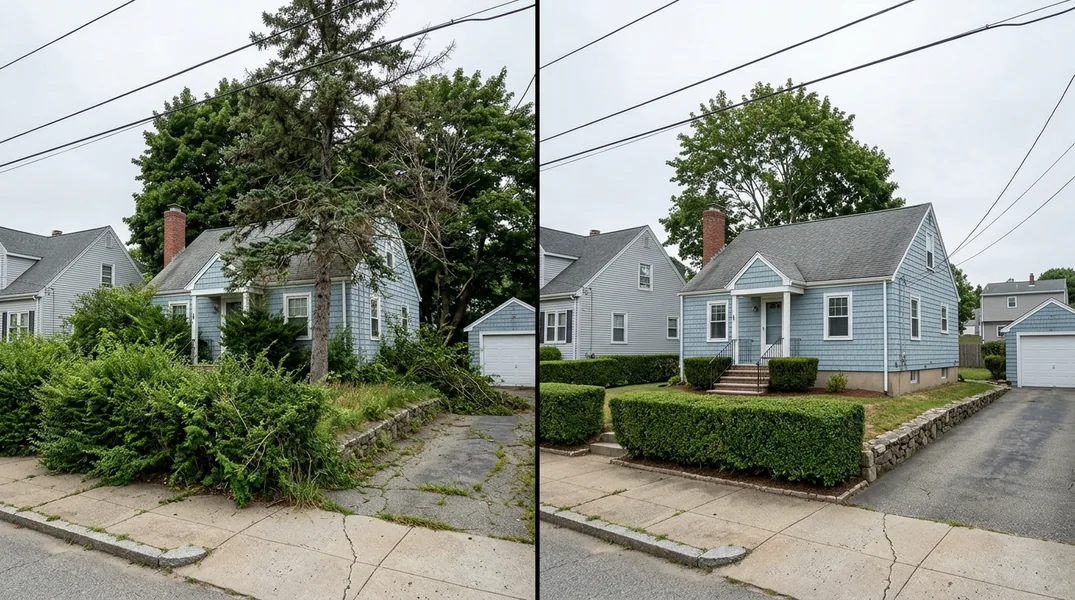
Understanding the Difference: Tree Trimming vs Tree Removal
When you notice a problem with a tree on your property, the first question many homeowners ask is simple: can it be saved, or does it need to go? The answer often lies in understanding the difference between Tree Trimming & Pruning and Tree Removal. These are two very different approaches to tree care, and choosing the right one can mean the difference between preserving a valuable landscape asset and unnecessarily removing a tree that could still thrive.
Tree Trimming & Pruning is a maintenance practice designed to improve the health, structure, and appearance of a tree. It involves selectively removing branches to promote new growth, eliminate dead wood, and reduce weight distribution. Tree Removal, on the other hand, is a permanent solution that eliminates the entire tree from your property. Before making the leap to removal, it is worth understanding whether your tree can be restored to health through proper trimming and care.
Signs Your Tree Can Still Be Saved
Not every tree showing signs of stress needs to be removed. Many trees in New Bedford that appear unhealthy can recover with the right intervention. A tree that has lost some branches, shows minor pest damage, or has thinned foliage may simply need professional Tree Trimming & Pruning to regain vigor. Trees with good structural integrity, a solid trunk, and live branches extending throughout the canopy are typically candidates for preservation.
Look for these positive indicators: the tree still produces new leaves each spring, the majority of branches have living bark, the main trunk is free of large cavities, and the tree has not been topped or severely damaged by weather. If your tree meets most of these criteria, professional trimming can often restore it. Dead branches should be removed to prevent disease spread and improve the tree's appearance. Crossing branches that rub together can be pruned away. Branches growing too close to your home or power lines can be carefully trimmed back. These interventions preserve the tree while addressing safety and aesthetic concerns.
When Removal Becomes the Only Option
There are clear situations where Tree Removal is the safest and most practical choice. A tree that is more than 50 percent dead, has major trunk damage, or shows advanced signs of disease or pest infestation may not survive trimming. Trees with severe lean, hollow trunks, or large cavities where significant wood has rotted away pose structural risks that cannot be mitigated through pruning alone. If a tree is actively dropping large branches, shows signs of root failure, or is leaning dangerously toward your home or neighboring properties, removal is typically necessary.
Storm damage can sometimes warrant removal if the damage is too extensive. A tree split down the middle or missing a significant portion of its crown may not recover enough to justify the cost of care. Additionally, if a tree is in a location where it consistently interferes with utilities, foundations, or septic systems, and trimming cannot resolve the issue, removal may be the most cost-effective long-term solution. The key is having a professional assess the specific situation rather than making assumptions based on appearance alone.
Hazard Tree Assessment in New Bedford: What Professionals Look For
A proper hazard tree assessment is the foundation of any good tree care decision. Professional arborists in New Bedford evaluate trees using established criteria to determine risk level and appropriate action. During an assessment, experts examine the tree's overall health, structural integrity, proximity to people and property, and likelihood of failure. This process helps distinguish between a tree that simply looks bad but is structurally sound and one that genuinely poses a safety hazard.
Arborists look for signs of disease such as cankers, fungal growth, or unusual discoloration in the bark. They assess branch attachment angles, checking for weak V-shaped crotches that are prone to splitting. They inspect the trunk for cavities, cracks, or signs of pest damage. The root collar is examined to ensure the tree is not girdled or planted too deeply. They also consider environmental factors like soil compaction, nearby construction, or previous damage that might weaken the tree's structural capacity. Once this comprehensive evaluation is complete, a professional can recommend whether trimming, removal, or monitoring is the best course of action.
The Benefits of Choosing Tree Trimming When Possible
Preserving a healthy tree through professional trimming offers multiple benefits that go beyond simple aesthetics. Mature trees provide shade that reduces cooling costs, improve air quality, increase property value, and create habitat for wildlife. A well-maintained tree continues to offer these benefits for decades. Tree Trimming & Pruning is also significantly less expensive than Tree Removal, especially if the tree is large. If you remove a mature tree, you may then need to invest in Stump Grinding and wait years for a new tree to reach similar size and benefit.
Regular trimming also prevents problems from developing in the first place. Removing dead branches reduces the risk of disease spread and pest infestation. Thinning the canopy improves air circulation, which helps prevent fungal issues common in humid coastal climates like ours. Proper pruning also strengthens the tree's structure, making it more resistant to storm damage and wind. For homeowners who want to maintain their landscape while being good stewards of the environment, trimming is almost always the preferred first step.
Getting a Professional Assessment: Your Next Step
If you are uncertain whether your tree should be trimmed or removed, the best course of action is to have a experienced arborist evaluate it in person. New Bedford Tree Service offers professional hazard tree assessments and can provide clear recommendations tailored to your specific situation. During a consultation, we will examine your tree, discuss your concerns, and explain your options in plain language. Whether your tree can be saved through trimming or needs to be removed, we will help you make an informed decision that prioritizes safety and your property's long-term health.
The cost of a professional assessment is minimal compared to the expense of making the wrong decision. Removing a healthy tree that could have been saved is permanent and costly. Conversely, leaving a hazardous tree in place puts your home and family at risk. Let the experts handle the evaluation. Contact New Bedford Tree Service today at (508) 501-9002 or request a free estimate to discuss your tree care needs. We serve New Bedford and surrounding areas with professional, reliable service you can trust.
Looking for a professional tree service contractor in New Bedford? New Bedford Tree Service responds fast for all your tree service needs.
Get a Free QuoteOur services: Tree Removal · Tree Trimming & Pruning · Stump Grinding